October 2 2026
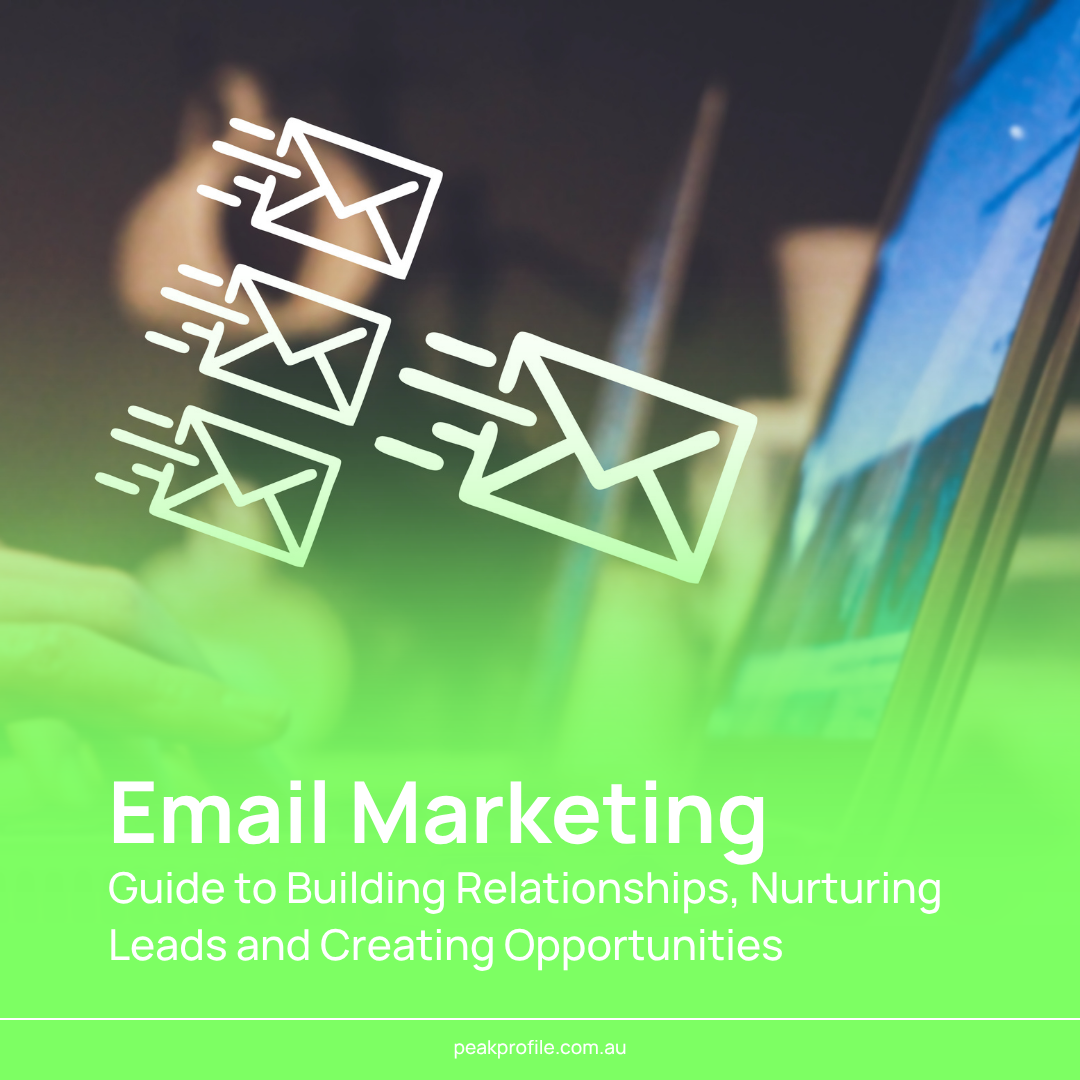
Your business may already have one of its most valuable marketing assets: a database of people who know something about you.
They may be customers, previous clients, newsletter subscribers, people who downloaded a resource, prospects who made an enquiry, or contacts who interacted with your business at an event or through another marketing channel.
The problem is that many businesses collect those contacts without having a clear plan for what should happen next. The database grows, but communication remains occasional. A newsletter is sent when somebody has time, a promotional email goes out when sales need support, and new leads may receive little communication after their initial enquiry.
That leaves a significant gap in the customer journey.
Email marketing gives businesses a way to continue the conversation after the first interaction. It can educate prospects, strengthen familiarity, support sales, keep customers engaged and make sure the business stays visible until the timing is right for the recipient to act.
The objective is not to send more email.
It is to send more relevant communication at the right stage of the relationship, giving people a reason to keep paying attention and a clear next step when they are ready.
| Question | What businesses should know |
|---|---|
| What is email marketing? | Planned communication with prospects, subscribers and customers through newsletters, campaigns, nurture sequences and automated emails. |
| What is it useful for? | Nurturing leads, staying visible, educating customers, supporting sales and encouraging repeat business. |
| Is email still relevant? | Yes. Email remains a direct channel for communicating with audiences that already have a relationship with the business. |
| Does every email need to sell? | No. Useful communication, education and proof can build trust before a direct offer is appropriate. |
| What is automation useful for? | Making predictable communication more consistent and timely without manually sending every message. |
| What matters more than list size? | Relevance, engagement, consent and the quality of the relationship with the audience. |
| What should be measured? | Delivery, clicks, conversions, enquiries, customer activity and business outcomes where possible. |
| What should happen first? | Understand the audience, purpose and customer journey before deciding what campaigns to send. |
Learn how businesses can build stronger customer relationships through email marketing.

 Social Selling & Lead Generation
 Growth Strategy & Peak Scorecard
 Paid Growth & Search Advertising
 Content Marketing
  Email Marketing & Automation
 Search & AI Visibility